
Best Shopify Theme For Dropshipping: Free Themes, Top Picks, And Selection Guide
Introduce the dropshipping store theme problem and article scope
Choosing a theme matters more than many new sellers expect. In dropshipping, a lot of stores end up selling the same products, so the right Shopify theme helps a Shopify store look more trustworthy, stand out visually, and reinforce brand identity from the first visit.
This guide is for anyone building or improving an online store and trying to decide which theme is the best fit. We’ve included both free and premium themes because free themes are cost-effective and easy to set up, while paid options offer advanced features and unique designs for more established stores. You’ll also see Dawn featured prominently, since it’s the most used Shopify theme and it’s free.
Selection criteria for the best shopify themes and free theme picks
How We Chose the Best Shopify Themes for Dropshipping
We focused on the factors that matter most when choosing a shopify theme for dropshipping. The goal was to identify themes with the right must-have features for fast-moving stores, not just attractive demos.
Performance and speed: Fast themes create a smoother shopping experience and support better sales performance. Lightweight themes can improve page speed, help with conversion optimization, and reduce bounce rates.
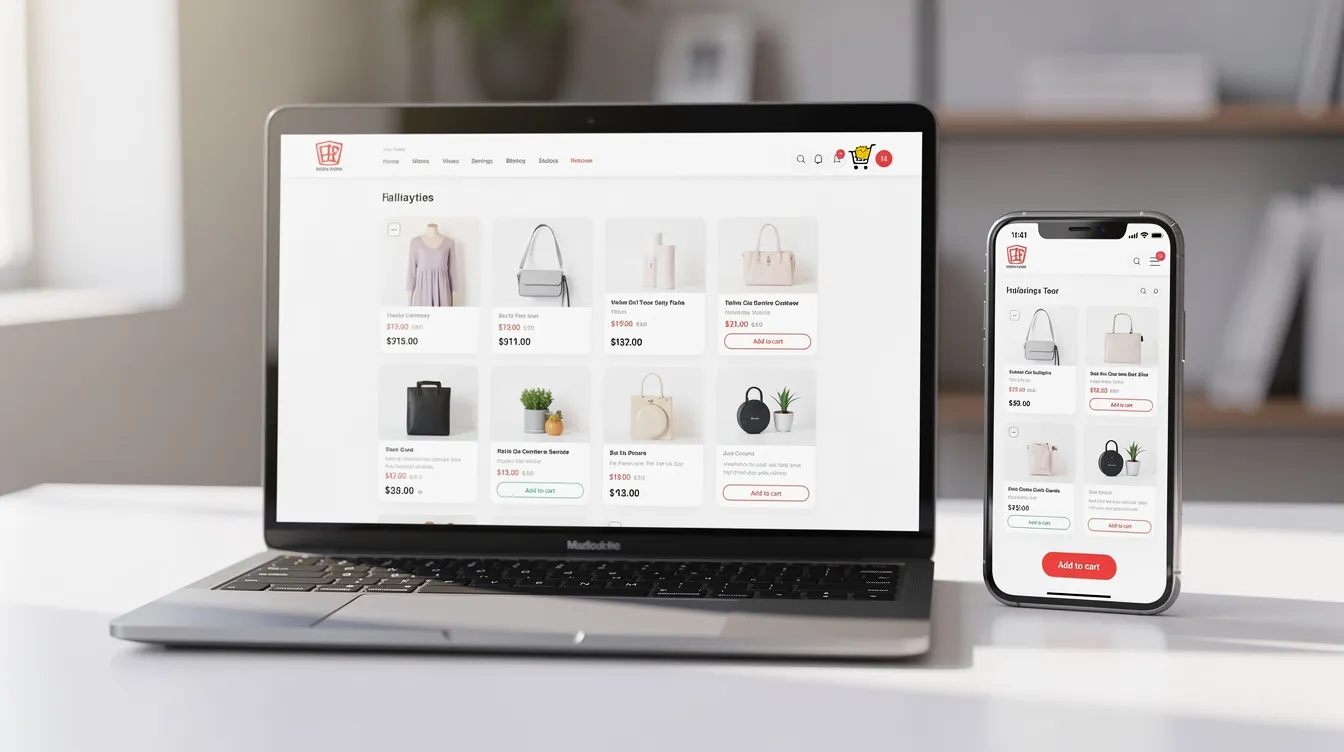
Mobile responsiveness: Since over 70% of dropshipping traffic comes from phones, the mobile experience matters from the first visit to checkout. A responsive Shopify theme should use strong responsive design so layouts adapt smoothly to any screen size.
Customization and flexibility: Good themes should be easy to tailor to your brand, products, and sales strategy. Strong customization options help align the store with your brand identity without making setup overly complex.
Product page quality: We looked for clean layouts that keep product information easy to scan and make buying feel trustworthy. Clean product pages plus visible trust signals like customer testimonials and secure checkout badges improve the overall shopping experience.
App compatibility and support: Dropshipping stores often rely on review apps, upsells, bundles, and tracking tools. Choosing a theme from the official Shopify Theme Store helps ensure compatibility and support.
Fit for your catalog and niche: Some themes work better for single-product stores, while others are more effective for large catalogs or visually driven niches like fashion, beauty, or home decor.
Top Free Shopify Themes For Dropshipping Stores (shortlist)
Best 5 Shopify Themes for Dropshipping
To keep this ranking useful, we narrowed the field to five options rather than forcing a longer list. These are the best free Shopify themes for dropshipping beginners and testing phases, chosen for market relevance, conversion-friendly layouts, ease of setup, and how well they fit real stores getting their first traction. Dawn is the most used free Shopify theme for beginners, which is one reason it sets the baseline for this shortlist.
This list focuses on a practical mix of free Shopify theme demos and tested presets. While Shopify offer many popular themes in its Theme Store, this comparison narrows them down to the most relevant options instead of trying to cover most themes.
It’s also worth noting where free options stop making sense. Paid Shopify themes become more compelling once a store needs more built-in features, stronger branding flexibility, extra premium features, or better developer support.
Dawn — a flexible free shopify theme for product-first stores
Brief summary
A minimal, media-forward Shopify theme that suits beginner dropshipping stores well, with clean layouts that keep the focus on product images and product details.
What to emphasize about Dawn
highlight mobile responsiveness and fast loading to keep shoppers engaged with a smooth mobile experience in this responsive Shopify theme
point out built-in product gallery and quick buy, plus built in features that support flexible pages without custom code
Ideal dropshipping store scenarios
Choose Dawn if you want a clean, free theme for visual products and a medium product catalog; it works best for simpler setups, not high volume stores or bigger stores that need advanced filtering.
Key strengths to list
Dawn’s strong performance and native Shopify support make it a reliable starting point for new stores.
Dawn is highly customizable for a free theme and gives new merchants many of the must-have features needed to launch quickly without code.
Trade-offs to mention
mention limited advanced filters in base version
Refresh — free shopify theme focused on visual merchandising
Brief summary
Refresh
Refresh uses bold spacing, clean typography, and strong promotional sections to keep attention on featured products and current offers. It’s a great starting point for single-product launches or stores with a small catalog.
Why It Stands Out
Its modern product pages and built-in promo areas make it easy to create a polished storefront without much setup.
Best For
Stores that want a clean, product-focused design with enough flexibility to highlight promotions and new arrivals.
Key Strengths
Strong visual hierarchy and spacious layout
Promotional sections built into the homepage
Clean product pages that support focused merchandising
Possible Limitations
May feel too minimal for stores that want a denser layout
Fewer stylistic flourishes than more design-heavy themes
What to emphasize about Refresh
highlight image zoom, promotional quote areas, and promo banners that make offers more visible
call out mobile-first layout and CTA prominence
Ideal dropshipping store scenarios
recommend Refresh for small apparel or beauty stores
Key strengths to list
Strong product storytelling tools that support a simple brand story
Easy homepage section reordering
Trade-offs to mention
mention limited native filtering for very large catalogs; stores with a large catalog may also want stronger product filtering on category pages
Sense — free shopify theme for trust and product education
Brief summary
summarize Sense’s soft palette and information-first pages
note its strengths for credibility-focused stores
What to emphasize about Sense
highlight product tabs placed near purchase controls
point out testimonial and about sections to present customer testimonials and reinforce the store’s brand identity
Ideal dropshipping store scenarios
recommend Sense for wellness, skincare, and niche products
Key strengths to list
Key Strengths
Clean layouts that support product education and visual storytelling
Mobile-friendly product pages with clear spacing and readable content
Keeps product pages clear and helps shoppers compare product details without distraction
Possible Limitations
Less suitable if you want a highly stylized or trend-driven storefront
May feel too minimal for brands that want heavier visual customization
Trade-offs to mention
Less suitable for a large collection that depends on heavy navigation or advanced merchandising features
Some stores may outgrow its simpler catalog presentation as they scale
Craft — a clean free shopify theme for artisanal products
Brief summary
A minimalist design with clean layouts makes Craft a strong fit for curated products, and its image-forward canvas supports galleries that let collections do most of the selling.
What to emphasize about Craft
highlight white-space-driven product presentation that showcases product images well and supports a calm mobile experience on any screen size
call out fast load times on mobile
Ideal dropshipping store scenarios
recommend Craft for handmade-style or visual niches
Key strengths to list
simple setup and focused imagery, making Craft a great starting point for merchants who want to launch cleanly without spending money on extra design work
Trade-offs to mention
mention fewer built-in conversion widgets, so stores that need more advanced features or built-in conversion boosters may outgrow Craft faster
Studio — free shopify theme for portfolio-style ecommerce stores
Brief summary
Studio uses a gallery-style grid and has a polished, boutique feel that puts curated collections and strong visuals first. It also feels close to a multipurpose Shopify theme for visually driven niches, since the layout can be adapted to different brand styles.
What to emphasize about Studio
highlight collection-focused navigation and large images, noting that Studio’s collection-led structure can work well for category pages with a modest product catalog
point out drag-and-drop editor friendliness
Ideal dropshipping store scenarios
recommend Studio for fashion stores and home decor
Key strengths to list
Studio — Strong visual storytelling tools that help express brand identity through an editorial-style presentation.
Trade-offs to mention
Possible Limitations
Minimalist layouts may feel too editorial if you want a more aggressive, conversion-first look.
Shoppers with larger catalogs or high volume stores may need stronger menu depth than Studio’s boutique-style navigation provides.
Ride — free shopify theme with energetic, athletic styling
Brief summary
summarize Ride’s bold color use and banner focus
note its fit for active or trendy product lines
What to emphasize about Ride
highlight promotional banners and dynamic grids, and note that Ride can also support product videos to keep shoppers engaged
call out clear product pages and CTAs
Ideal dropshipping store scenarios
recommend Ride for fitness, outdoors, and accessories
Key strengths to list
Ride’s high-impact visuals and promotional layout support promo banners and other advanced merchandising features for limited-time offers
Trade-offs to mention
mention tone mismatch for classic luxury brands
Taste — free shopify theme for food, lifestyle, and bold imagery
Brief summary
Taste uses chunkier fonts and bold color-block sections to create a distinctive storefront style. It’s especially well suited to stores that rely on large, high-quality product images and a strong brand story, with a layout that puts product photography and editorial content front and center.
What to emphasize about Taste
highlight recipe/blog support and featured collections, noting that these built-in features can help keep shoppers engaged during browsing
point out large call-to-action buttons for conversions
Ideal dropshipping store scenarios
recommend Taste for food, supplements, and lifestyle goods
Key strengths to list
list Taste’s strong visual separation and CTAs
Trade-offs to mention
Taste can feel a little restrictive if you want more visual variety or advanced layout control, and it may need careful editing if you try to show too much of a product catalog on the homepage.
Stores with many products may find the homepage easier to crowd than with more flexible themes.
Publisher — free shopify theme for content-heavy ecommerce stores
Brief summary
summarize Publisher’s magazine-style layout and editorial blocks
note its fit for stores combining content with commerce
What to emphasize about Publisher
highlight featured-article areas and product spotlights
call out large banners and editorial flexibility
Ideal dropshipping store scenarios
recommend Publisher for books, tech, and content-led stores
Key strengths to list
Publisher – Best for stores that need strong content-product integration, including editorial sections that support product education and a longer brand story
Trade-offs to mention
mention risk of clutter without disciplined content
Quick Comparison of the Best Shopify Themes for Dropshipping
Spotlight – Best for a small catalog or single-product store that needs a clean, conversion-focused layout
Sense – Best for health, beauty, and wellness brands that want a polished free theme with strong product storytelling
Studio – Best for visual-first brands and fashion stores that want editorial-style layouts
Refresh – Best for mobile-first stores that prioritize bold calls to action and fast browsing
Dawn – Best for a medium product catalog and general dropshipping stores that want flexibility
Sense, Studio, and Refresh – Strongest free-theme picks to consider before moving to paid Shopify themes for deeper customization and premium support
How To Choose The Right Theme For Your Ecommerce Dropshipping Store
Prioritize mobile responsiveness first
Mobile responsiveness directly affects conversions because a large share of dropshipping traffic now comes from phones, so your theme needs to deliver a smooth mobile experience from product discovery to checkout. It should also adapt cleanly to every screen size so shoppers can browse, select variants, and complete purchases without friction.
When testing a demo, don’t just open it on one device. Check multiple phone sizes to confirm product details, variant pickers, and CTA buttons stay easy to use on every screen size.
Match theme to catalog size and navigation needs
Choose Based on Catalog Size
If you plan to list a lot of products, choose a theme with strong collection pages, flexible menus, and built-in filtering so shoppers can browse without friction. This matters even more for a large catalog, where weak navigation can hurt product discovery and slow the path to purchase. For example, Startup is $100 and ideal for small catalogs, while Turbo is $425 and supports large inventories and larger collections. Empire costs $360 and is designed for high volume stores, so it makes more sense when scale is a priority.
If you’re starting with one product or a tight collection, a simpler theme with a clean homepage and straightforward product page layout is usually the better fit. In that case, you do not need advanced filtering or complex navigation just to support a large catalogs setup you do not have yet.
Evaluate customization and app compatibility
instruct to confirm key apps work with the theme
advise checking theme block limits and nested layouts, and remember that premium themes can be highly customizable; for example, Gecko offers over 30 different layouts, has a 4.99 community rating, and costs $99
Compare speed and perceived trust signals
advise measuring load times on mobile and desktop, since some paid themes can include built-in conversion boosters; for example, Booster costs $299, has 80+ styles, and scored 99 out of 100 on PageSpeed Insights, but you still need to verify real-world speed and trust impact rather than assume every premium option includes all the features or performs the same
recommend listing trust badges and review placements
Which Option Is Best For Your Dropshipping Stores?
recommend Dawn for broad, product-focused stores; it’s still the best all-around free option for many new stores, while established dropshippers may later move to premium themes for added flexibility
recommend Sense for education-heavy, trust-first stores
recommend Studio or Taste for fashion stores and visuals
recommend Publisher for content-driven ecommerce stores
Installation, Testing, And Optimization Checklist For Free Themes
preview the theme from the official Shopify Theme Store when possible with three real products, and confirm support documentation before launch
test variant selection on mobile devices
test trust signals such as customer testimonials, secure badges, and promo placements on product pages and mobile
compress images and measure speed improvements
confirm checkout flows and app integrations
Free Theme Vs Paid Theme: When To Upgrade
explain upgrade signals like scaling catalog or conversion needs, and note that spending money on a paid theme usually makes more sense once free options no longer cover the advanced functionality, developer support, or conversion optimization needed for growth
advise listing missing features before buying a premium theme, especially if you need premium features like mega menu support, stronger product filtering, a stock counter, infinite scroll, or more polished category pages
recommend keeping a free theme for niche testing phases
Key Takeaways
Prioritize mobile responsiveness and speed first, since they have the biggest impact on user experience and conversions.
The best Shopify theme depends on your niche, product presentation style, and catalog size.
Start with free Shopify themes to test a dropshipping offer, then move to a paid option when you need more advanced features or stronger brand identity control.
Test the theme with real products, collections, and content before launching ads.
Final Notes And Next Steps
suggest picking one theme and running a two-week live test
advise documenting performance before switching themes
encourage focusing on product-market fit over design perfection
after the two-week test, compare whether your current free theme still covers the must-have features you need before moving to paid Shopify themes